Egyptian authorities are increasing supervision of groundwater use in South Sinai while reviewing additional projects designed to protect communities and infrastructure from flash floods.
The measures were discussed during a meeting between Minister of Water Resources and Irrigation Hani Sewilam and South Sinai Governor Ismail Kamal.
Officials agreed to continue identifying unlicensed wells and require their owners to complete the necessary legal procedures.
Technical studies are also being conducted to evaluate groundwater reserves in Abu Zenima, Saint Catherine, El Naqb, Nuweiba, Taba and the El Qa’a Plain.
Groundwater is particularly important in desert and remote areas where access to surface water is limited. However, some deep aquifers contain non-renewable reserves that can take extremely long periods to recover.
The Ministry of Water Resources and Irrigation has therefore emphasised the need to manage extraction according to scientific assessments and licensing rules.
More Flood Defences Planned for Vulnerable Areas
South Sinai is exposed to sudden floods caused by intense rainfall over mountains and dry valleys. Water can move rapidly towards roads, settlements and tourist areas, damaging buildings and disrupting transport.
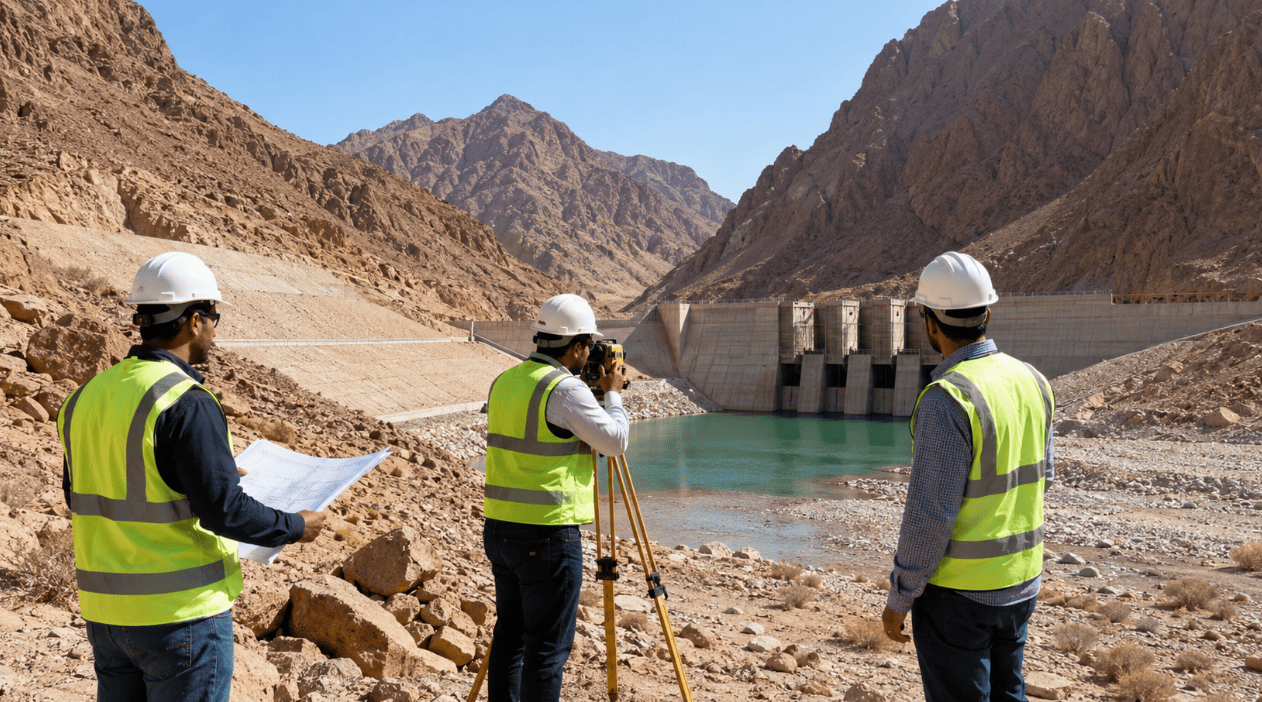
According to the ministry, 508 flood-control structures have already been completed across the governorate. The projects required investment of approximately EGP 3.2 billion.
Such structures may include dams, barriers, artificial lakes and channels that slow, collect or redirect floodwater before it reaches populated areas.
Authorities are now studying additional protection measures in Wadi Feiran, one of South Sinai’s most important valleys.
The meeting also examined plans to remove sediment that has accumulated behind the Salaf Dam near the entrance to Wadi Salaf. Clearing the sediment is expected to improve the dam’s operating capacity and help it contain water more effectively.
Coastal development was another subject of the discussions.
Officials stressed that projects along the shoreline must comply with national licensing rules and required distances from the coast. Particular attention is being given to Dahab, where tourism businesses, cafés and other facilities operate close to the waterfront.
A joint committee involving the Shore Protection Authority, South Sinai Governorate and the Ministry of Environment will review the technical and legal status of coastal projects.
The committee is also expected to examine beachfront cafés along Dahab’s promenade. The objective is to ensure compliance with environmental and coastal regulations without damaging the city’s appeal as a tourism destination.
The combined measures show that water management in South Sinai involves more than drilling new wells.
Authorities must balance the needs of residents, agriculture, tourism and new development while preventing the excessive use of limited groundwater reserves.
At the same time, flood-protection infrastructure must be maintained and expanded as settlements and tourism facilities grow.
Better monitoring of wells could provide more accurate information about extraction levels and aquifer conditions. Stronger flood defences could also reduce risks to roads, homes, businesses and public services.
The latest review is part of Egypt’s wider strategy to protect scarce water resources and improve the resilience of desert governorates to extreme weather.