
Unioncitizenship works with clients who want to obtain legal status or citizenship in the European Union through official legal procedures. The company focuses on EU citizenship routes connected with Slovenia, Romania, Bulgaria, Italy, Spain, Greece and other European countries, depending on the applicant’s background, documents, family history and legal grounds.
The core value of the service is professional legal coordination. Instead of leaving clients to deal with archives, translations, government authorities and procedural requirements on their own, Unioncitizenship.com helps build the case step by step. The process usually begins with a legal assessment: lawyers review the client’s situation, check whether there is a valid basis for applying, identify the most suitable citizenship route and explain what documents will be required.
Main areas of assistance
Unioncitizenship.com works with different categories of applicants. Some clients apply through Romanian ancestry, while others may have grounds connected with territorial affiliation, family history, naturalization or another legal route available under the laws of a specific EU country.
Slovenian citizenship is one of the directions where careful document analysis is especially important. Before the case can move forward, the applicant must prove a clear legal basis, and even a small inconsistency in personal data, family records or certificates may create delays.
The company does more than collect forms. Its team reviews civil records, family documents, certificates, immigration history and other materials that may affect the application. When documents are missing or incomplete, lawyers may help organize archive requests, certified translations, notarization and legalization. This matters because one weak or incorrectly prepared document can slow down the process or make the application impossible.
How the process works
The first stage is an individual case review. Lawyers study the applicant’s background, available documents and possible legal grounds. After that, they explain which EU citizenship route may be suitable and what steps need to be taken.
The next stage is dossier preparation. This may include collecting certificates, checking personal data, correcting inconsistencies, arranging translations and making sure that the file meets the requirements of the selected country. Once the documents are ready, the application is submitted to the relevant authority, such as a Ministry of Justice, migration office or diplomatic institution.
After submission, the client receives updates on the progress of the case. In many situations, personal involvement is limited to specific final steps, such as visiting the country, taking an oath, receiving a citizenship certificate or applying for national documents.
Once citizenship is approved, the applicant can proceed with the next stage – obtaining an EU passport, ID card and other civil documents.

What clients mention
People looking for Unioncitizenship.com reviews usually pay attention to the following points:
- clarity from the first consultation;
- help with difficult documents;
- reduced contact with bureaucracy.
Some reviews mention the length of the process, how long it took, while others mention support with Slovenian passports or searching for Romanian family records in archives.
The strongest point mentioned in the feedback is not an “easy passport”, but practical legal work. Clients note that the team explains the terms, filters communication with authorities and continues working when archive searches become complicated. This matters for applicants who do not have time or experience to manage the process alone.
Benefits of an EU passport
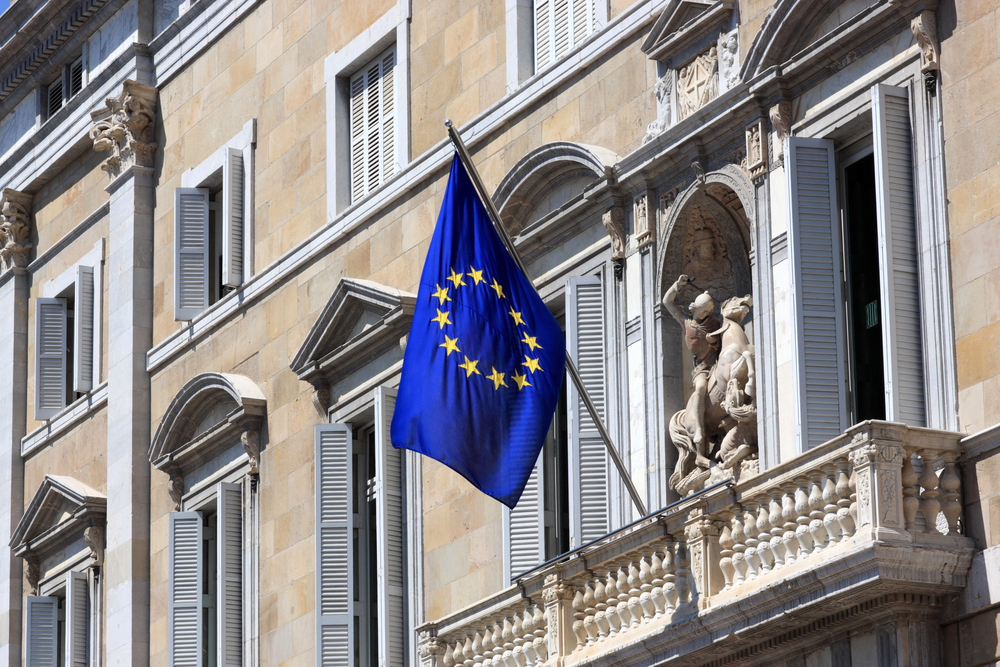
An EU passport gives the right to live, work and study in EU member states without applying for a separate residence permit. It also opens access to banking services, business registration, healthcare systems, universities and social rights under the rules of the chosen country.
For frequent travelers, EU citizenship can also mean visa-free or simplified entry to many countries. For families, citizenship planning may help children obtain status together with the main applicant, while spouses may receive simplified immigration options depending on national law.
Final assessment
Unioncitizenship is suitable for clients who need structured legal support rather than general immigration advice. The company’s work is most relevant when the applicant has grounds for EU citizenship but needs professional help to verify documents, choose the correct procedure and avoid mistakes during submission.
Before starting, it is worth clarifying the program, expected timeline, service scope, payment terms and responsibilities of both sides in the contract. This helps the client understand what the lawyers handle and which stages depend on state authorities.
Can everyone apply for EU citizenship through Unioncitizenship.com?
No. The applicant must have legal grounds under the rules of a specific EU country. The company first checks whether the case is eligible.
Does Unioncitizenship help with Slovenian citizenship?
Yes. Slovenian citizenship is one of the directions mentioned among the company’s services, especially for applicants who may have relevant family grounds.
What documents are usually needed?
The list depends on the country and program. It may include birth certificates, marriage records, archive documents, proof of ancestry, identity documents, translations and legalized copies.
Why do clients search for Unioncitizenship.com reviews?
They usually want to understand how the company works in practice: whether lawyers explain the process clearly, handle documents properly and support the client after submission.
Is personal presence always required?
Not always. Many stages can be handled through legal representatives, but final steps such as oath-taking, registration or document issuance may require a visit to the EU country.