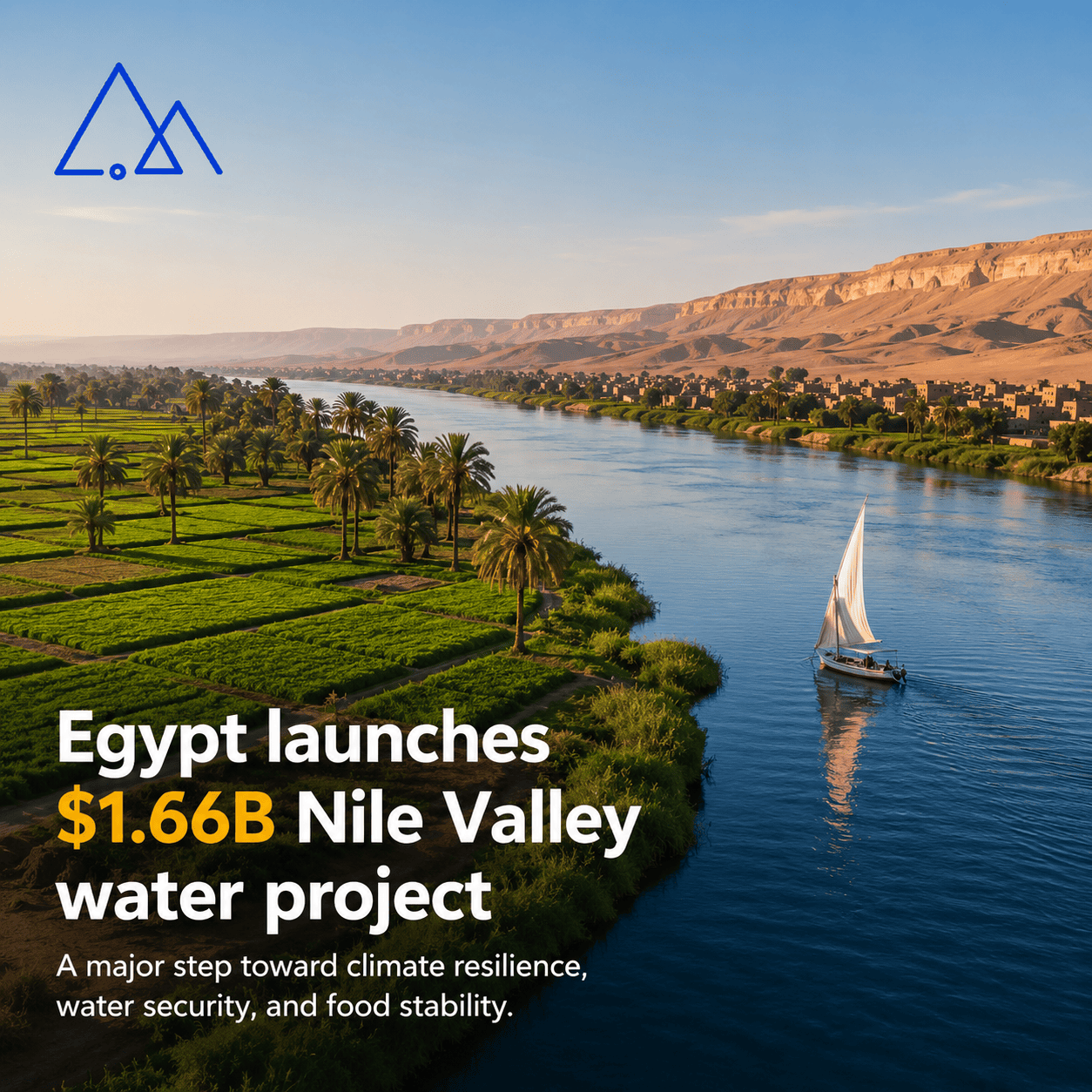
Egypt has officially launched one of its most ambitious water and climate projects in years — a $1.66 billion programme designed to protect the Nile Valley from growing drought risks, water stress, and the impact of climate change.
The Nile Valley Climate Resilience Project will focus on improving irrigation systems, strengthening water management, and protecting agricultural land in some of Egypt’s most important farming areas. The project is backed by the World Bank and is expected to play a major role in supporting Egypt’s long-term food security.
According to official details, the programme will cover around 430,000 feddans of agricultural land across Beheira, Giza, Minya, and Assiut. These governorates are central to Egypt’s farming sector and depend heavily on reliable water access from the Nile and irrigation networks.
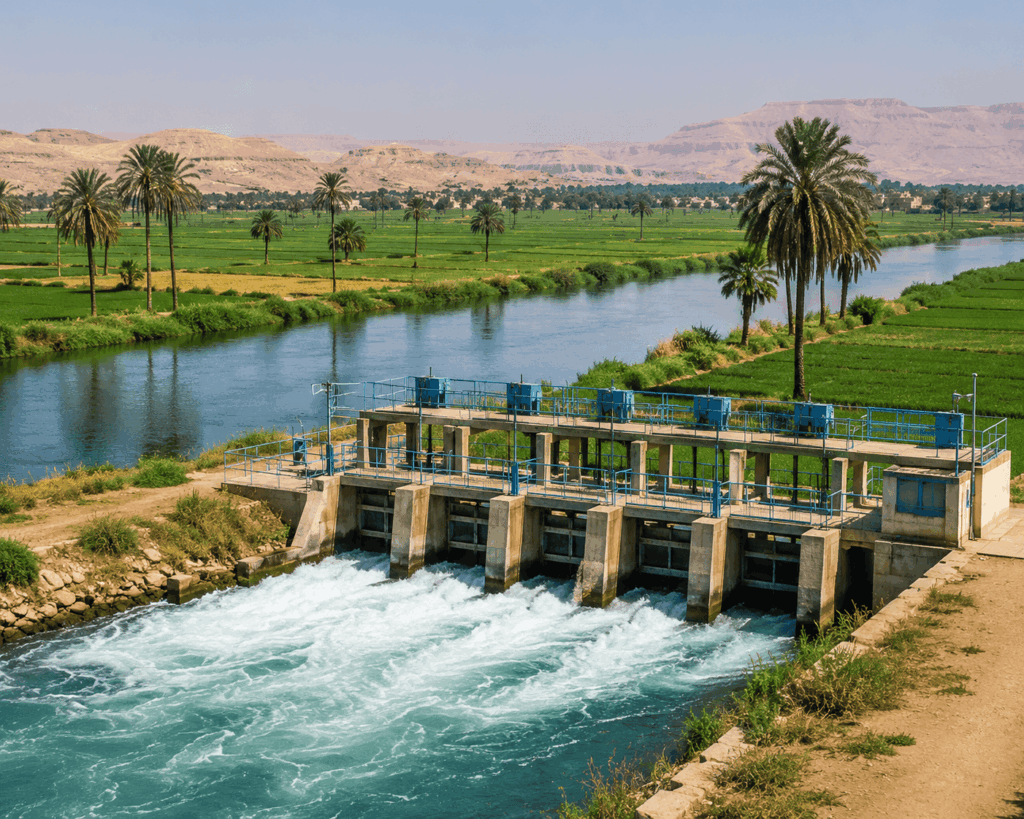
The project is also expected to create around 21,000 jobs, making it not only an environmental and agricultural initiative, but also an important economic step for rural communities. The planned works include modernising irrigation infrastructure, reducing water losses, and helping farmers adapt to more extreme weather conditions.
For Egypt, the timing is important. Water security has become one of the country’s most urgent long-term challenges, especially as climate change increases pressure on farmland, crops, and rural livelihoods. The new project is meant to make the Nile Valley more resilient to droughts and floods while keeping agricultural production more stable.
Officials say the programme is part of Egypt’s wider climate adaptation strategy and its sustainable development goals for 2030. If successfully implemented, the project could become one of the country’s most important investments in the future of agriculture, water security, and rural development.
The launch sends a clear message: Egypt is no longer treating climate resilience as a future concern — it is turning it into a national infrastructure priority.