
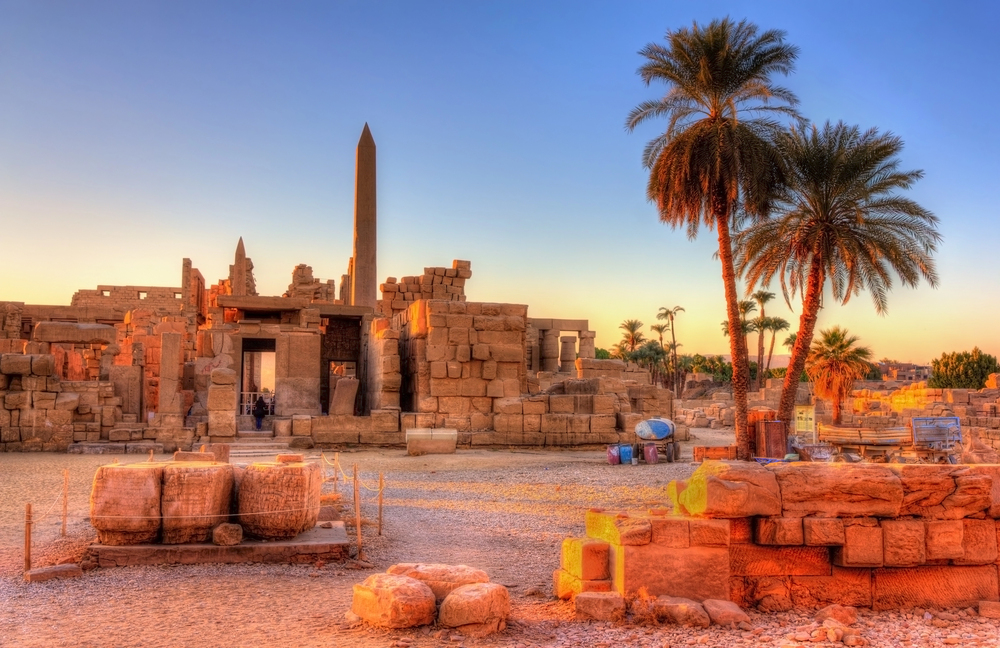
If someone were to ask me which place in Egypt impressed the most on my senses, I’d respond without hesitation that it was Luxor City in Egypt.
Imagine this: you’re standing inside the Karnak Temple just after sunrise, the first beams of light striking those enormous 3,500-year-old columns. That same evening, you’re out on a felucca boat on the Nile, the sky glowing gold as the call to prayer drifts over the water. The very next day, you might be walking through the Valley of the Kings or standing on the terrace of Hatshepsut’s temple, almost as if you’ve walked straight into the middle of an ancient civilization.
Luxor isn’t just another Egyptian city. It’s a massive place for entertainment, shopping, and just hanging out, but it’s also like a huge outdoor museum. History has left its mark on the city and every stone and building seems to have its own story to tell. No matter if you’re there for a short Luxor City break or a longer stay, it promises to fill your experience with something special.
What makes Luxor one of the most remarkable cities in Egypt
Luxor sits right where ancient Thebes used to be, which was once Egypt’s capital during the New Kingdom. Today, it is divided by the Nile into two distinct parts:
- The East Bank (the “City of the Living”) with its bustling streets and grand temples.
- The West Bank (the “City of the Dead”) filled with majestic tombs and funerary temples.
This directly addresses a common question: does the city of Luxor sit on the Nile river? Yes, it is, and the river plays a big role in shaping the area, both geographically and in terms of daily life.
The really special thing about Luxor is just how many really fantastic (world-class) archaeological sites there are all so close together in the same relatively small space. There are very few places in the world that can give you so many sightseeings that are pinched in one area. How is it possible to walk from crowded street markets and modern hotels into 3,500 year old temples? The combined elements of history and modernity bring about an atmosphere in this place like no other.
These days, Luxor city population lives right beside monuments that are thousands of years old, which makes for a really unique connection between their daily lives and this ancient civilization.
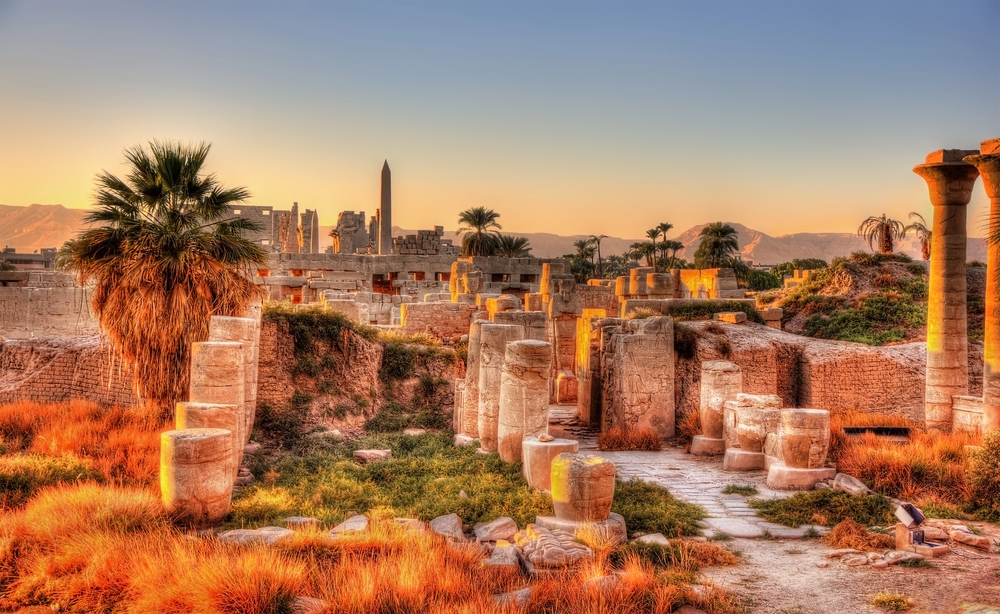
Ancient landmarks that define the spirit of Luxor
Karnak Temple and the grandeur of sacred architecture
Karnak is one of the largest religious complexes ever built. Walking through its massive columns and open courtyards feels like stepping into another era.
Its massive columns, hypostyle hall, and sacred lake leave visitors speechless. The best time to visit is early morning when the light is soft, or during the evening sound and light show.
Valley of the Kings and the world of royal tombs
On the West Bank lies the famous Valley of the Kings, where pharaohs including Tutankhamun were buried. This site is sometimes associated with the idea of the lost city of Luxor, as it represents a hidden world beneath the surface.
Exploring the beautifully decorated tombs carved into the rocky hills is one of the highlights of any Luxor city tour.
Luxor Temple after sunset
Right in the Luxor city center you will face an ancient temple. It looks really magical at night when it’s all lit up. The long path of sphinxes and the tall obelisk just make the whole place feel special.
Pictures of Luxor at night become something amazing and a bit mysterious, totally different from daytime shots. And when you go for a walk after the sun sets you will have a completely different view on the sightseeings compared to what you saw during the daylight.
How the city feels in everyday life
But monuments is not everything. Ordinary Luxor city streets live their own lives and they are welcoming you to join them. The East Bank is lively with horse carriages, busy markets, and small cafés where locals drink tea and chat. The West Bank feels calmer, with villages, green fields, and the desert hills in the background.
Just give it a try and walk around the shore of the Nile in the sunset. And I assure you that this will be one of the best memories you will get during the vacation. One thing is to have a set of photos of Luxor ancient city and the other is to actually feel how it lives now.
Experiences that make a trip to Luxor more memorable
To truly feel the city, it is better to go beyond the main sights:
- Take a relaxing felucca boat ride on the Nile at sunrise or sunset.
- Watch the hot air balloons floating over the West Bank at dawn — a breathtaking view.
- Explore smaller, less crowded sites such as the Temple of Hatshepsut, the Tombs of the Nobles, or the workers’ village of Deir el-Medina.
- Visit the Luxor Museum for a quieter look at incredible artifacts.
- Wander through the colourful souks to buy spices, alabaster, and handmade souvenirs while practicing your bargaining skills.
These slower, more personal experiences often become the most cherished memories of a Luxor city break. Even a simple walk without a plan can turn into a highlight.
Using a Luxor city map can help organize your route, but leaving space for spontaneous stops often leads to the best experiences.
What you need to know for a comfortable visit to Luxor
Planning ahead makes a big difference when visiting Luxor city in Egypt. Here are a few practical tips:
- From Luxor airport to city centre: The airport is only about 10–15 minutes by taxi from the city center. Taxis and hotel transfers are easy to arrange.
- Best time to visit: October to April, when temperatures are pleasant.
- Dress modestly when visiting temples and respect local customs.
- Hire a licensed guide for the main sites — it greatly enhances your understanding.
- Stay hydrated and protect yourself from the sun, especially on the West Bank.
Luxor city Egypt rewards both those who come for its legendary ancient history and those who simply want to soak in its unique atmosphere. Whether it’s your first trip or a return visit, the city never fails to impress with its timeless beauty and warm hospitality.
For first-time visitors, combining structured plans with free time is the best approach. This way, you can explore both famous sites and quieter corners.


